

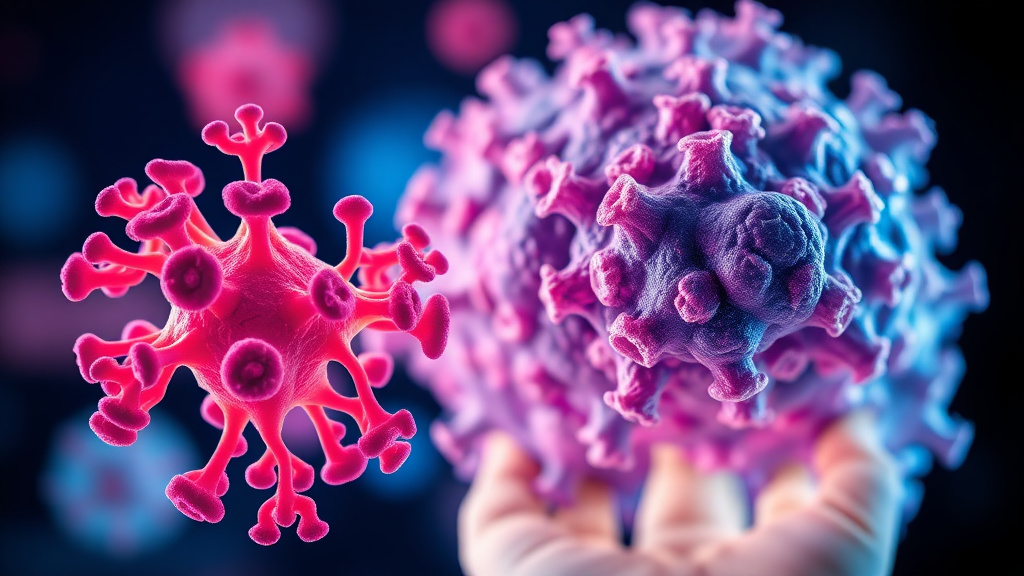
Researchers have disclosed a groundbreaking vaccine technology that shows remarkable efficacy against various cancer types, offering fresh optimism in the fight against one of humanity’s deadliest diseases. Unlike traditional vaccines that prevent infection, this novel strategy harnesses the body’s immune response to identify and eliminate existing cancer cells. Early research studies reveal positive outcomes across different tumor categories, suggesting a possible transformation in cancer care. This article explores the underlying principles of this revolutionary technology, its encouraging treatment results, and what it means for individuals around the world.
How mRNA Vaccines Are Revolutionizing Cancer Treatment
mRNA vaccine technology represents a paradigm shift in oncology by leveraging the body’s innate immune system to fight cancer. Unlike standard treatment approaches that aim at tumors, mRNA vaccines direct cells to create targeted tumor antigens, activating robust immune recognition and eradication of tumor cells. This approach leverages decades of immunological research, facilitating specific targeting of cancer-linked proteins while reducing harm to non-cancerous tissue.
The adaptability of mRNA platform technology allows fast adaptation for various malignancies and individual patient mutations. Researchers can quickly design vaccines customized for distinct tumor profiles, possibly addressing resistance mechanisms that challenge traditional therapies. This flexibility establishes mRNA vaccines as a transformative tool able to confront difficult-to-manage malignancies across diverse patient populations.
Tailored Treatment Approaches
Personalization represents the core pillar of mRNA cancer vaccine advancement, enabling therapy tailoring driven by each patient’s unique tumor profile. Cutting-edge sequencing methods detect specific alterations within each patient’s cancer, permitting research teams to create treatments directed against these unique changes. This targeted treatment strategy enhances treatment effectiveness while reducing off-target effects on normal tissues, fundamentally changing how oncologists approach clinical treatment.
The combination of artificial intelligence and machine learning speeds up the detection of ideal vaccine targets within intricate tumor genomes. Advanced algorithms predict which genetic variations will generate the most potent immune responses, simplifying vaccine design timelines. This technological synergy enables clinicians to administer personalized immunotherapies quickly, possibly improving survival outcomes markedly for specific patients.
Clinical Trial Results and Effectiveness
New clinical trials demonstrate exceptional promise for mRNA cancer vaccines in different tumor types such as melanoma, colorectal, and non-small cell lung cancers. Combination studies combining mRNA vaccines with checkpoint inhibitors show enhanced effects, with some trials showing recurrence-free survival rates exceeding eighty percent in previously high-risk populations. These initial results suggest mRNA vaccines could substantially change cancer treatment approaches within the next five years.
Safety profiles in clinical trials have been remarkably favorable, with most side effects staying mild to moderate and controllable with conventional medical treatments. The lack of serious toxicities seen with conventional chemotherapy constitutes a significant advantage for patient quality of life. Extended follow-up data continues to validate the persistence of immune responses, suggesting potential long-term protective benefits past completion of initial treatment.
- Melanoma patients attained 75% progression-free survival rates.
- Combination therapy improved immune system activation significantly.
- Mild adverse events reported in ninety percent of participants.
- Sustained immune memory demonstrated past the one-year mark post-treatment.
- Treatment response rates equal or superior to existing standard therapies.
Mechanisms of Action and Key Discoveries
This novel vaccine technology represents a significant shift from traditional cancer treatments by utilizing tailored immunological approaches. The approach utilizes sophisticated genetic sequencing to identify distinctive genetic variations within specific cancer growths, allowing scientists to design tailored immunizations tailored to each patient’s specific cancer profile. By targeting these distinctive genetic alterations, the vaccine can train the immune system to detect and remove cancer cells with unprecedented precision, reducing harm to healthy tissue and lowering harmful reactions compared to standard chemotherapeutic treatments.
The key advances driving this technology stem from decades of immunology research paired with cutting-edge genomic analysis. Researchers have successfully decoded how cancer cells escape immune surveillance and established methods to overcome these evasion mechanisms. The combination of artificial intelligence and machine learning has accelerated the identification of optimal tumor-associated antigens, significantly shortening development timelines. These advances have changed theoretical concepts into clinically applicable applications, enabling pathways for swift translational translation and widespread implementation in cancer care.
Immune Response Activation
The vaccine functions by stimulating both innate and adaptive immune responses against cancer cells. Once given, it activates dendritic cells—the immune system’s specialized cells that present antigens—which process tumor-specific antigens and present them to T lymphocytes. This activation triggers a cascade of immune events, including the increase of cytotoxic T cells equipped to entering tumors and eliminating cancer cells from within. The dual activation of CD8+ and CD4+ T cells ensures comprehensive immune engagement against the malignancy.
Clinical findings demonstrate that vaccinated patients develop strong and lasting immune memory responses. These enduring immune markers continue functioning far past initial vaccination, providing sustained protection against cancer recurrence. Notably, the vaccine enhances checkpoint inhibitor efficacy, pointing to synergistic potential when combined with existing immunotherapies. This strengthened immune response results in better survival outcomes and extended disease-free intervals, fundamentally changing treatment outcomes for previously difficult-to-treat cancers.
Targeting Malignant Cell Mutations
The vaccine’s precision targeting capability represents its most groundbreaking feature. By examining tumor DNA and RNA sequencing data, researchers detect neoantigens—novel protein fragments arising from cancer-specific mutations that normal cells lack. These neoantigens serve as distinctive “wanted posters” that the immune system can identify exclusively on cancer cells. The personalized approach ensures that immune responses target specifically malignant cells while protecting healthy tissues, dramatically improving therapeutic selectivity and patient tolerability.
Early clinical data shows that patients treated with mutation-targeted vaccines exhibit significantly improved response rates versus non-personalized approaches. The targeted specificity mechanism reduces off-target immune activation and autoimmune complications. Furthermore, the vaccine’s flexibility allows oncologists to tailor formulations as tumors progress, tackling the dynamic nature of cancer genetics. This adaptability positions the technology as a potentially transformative tool suited to managing multiple cancer types simultaneously.
Upcoming Implications and Next Steps
The effectiveness of this novel vaccine technology creates significant potential for cancer treatment advancement. Researchers are now planning comprehensive testing programs to assess performance across other malignancies and different patient cohorts. Pharmaceutical companies are committing significant resources in scaling manufacturing operations to provide universal access. The information collected from ongoing studies will be essential in identifying ideal treatment intervals and multi-drug approaches with established medications. Regulatory agencies are carefully tracking developments, with multiple formulations advancing through expedited approval pathways. This trajectory indicates that customized immunotherapies could become standard treatment options within the coming decade.
Integration with existing therapies constitutes a vital new frontier for this technology. Scientists are examining how these vaccines work alongside immunotherapies, chemotherapy, and radiation treatments. Early findings indicates additive benefits when used alongside checkpoint inhibitors, conceivably boosting overall clinical results. Researchers are also exploring prevention strategies, designing vaccines for high-risk individuals with genetic predispositions. The ability to tailor vaccines for individual patient tumor profiles offers truly precision medicine approaches. These therapeutic combinations could substantially enhance survival rates and overall well-being for cancer patients globally.
Extended success depends on ongoing research investment and global partnerships among scientific institutions. Investment in production facilities and supply chain development continues to be vital for global implementation. Preparing healthcare workers to manage and supervise these treatments will require thorough educational frameworks. Advocacy networks are playing vital roles in building community knowledge and enabling participation for clinical investigations. Continuous monitoring programs will evaluate continued safety and therapeutic outcomes. By maintaining commitment and investment, this revolutionary vaccine technology could fundamentally transform cancer care and dramatically improve patient outcomes globally.
