

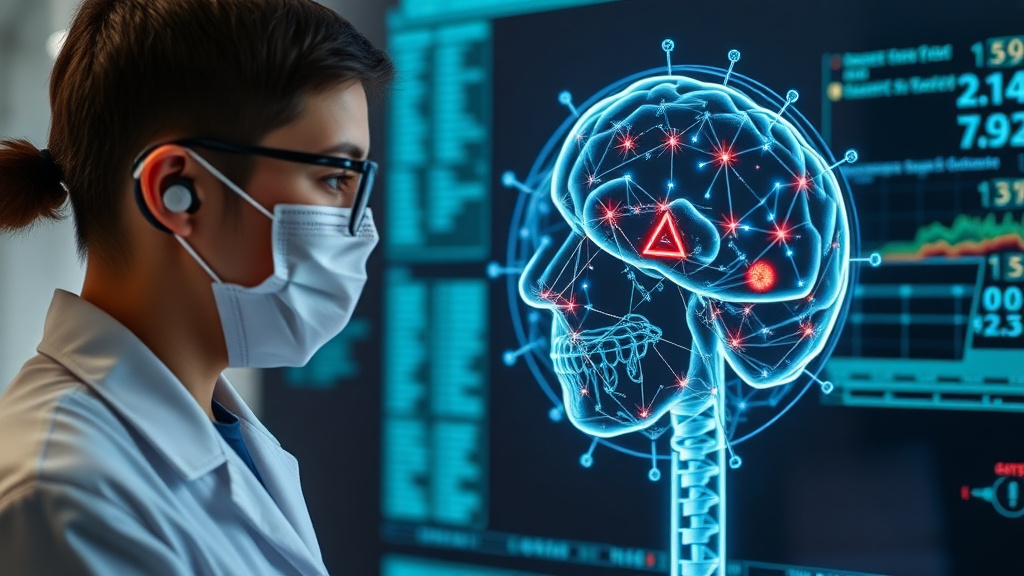
Artificial intelligence is reshaping healthcare diagnostics, empowering physicians to diagnose diseases with unprecedented accuracy and speed. Machine learning algorithms now examine medical imaging, pathology reports, and patient data to recognize conditions like cancer, heart disease, and diabetes at earlier stages. This advanced innovation promises to decrease diagnostic errors, accelerate treatment decisions, and ultimately save countless lives. Explore how AI-powered tools are reshaping clinical practice and enhancing patient outcomes across the globe.
AI Technology Transforms Clinical Diagnostic Performance
Machine learning algorithms have fundamentally changed clinical precision by processing large volumes of medical data with exceptional exactness. These advanced technologies detect nuanced variations undetectable by the human eye, facilitating more timely identification and increasingly dependable clinical assessments. By drawing on historical patient data and diagnostic images, machine learning models steadily refine their predictive capabilities, achieving diagnostic accuracy rates that often surpass traditional methods. Healthcare institutions worldwide are adopting these technologies to optimize patient outcomes and expedite clinical workflows.
The incorporation of artificial intelligence algorithms into diagnostic protocols has significantly reduced false positives and false negatives, vital components in patient care quality. These intelligent models supply doctors with data-driven insights that facilitate clinical decision-making and confidence in diagnoses. Live deployment scenarios reveal substantial gains in identification accuracy for severe diseases, from cancer detection at early stages to cardiovascular diseases. As these technologies evolve and accumulate more training data, their accuracy continues to increase, establishing enhanced criteria for diagnostic quality.
Deep Learning Models in Medical Imaging
Machine learning systems have revolutionized radiological image assessment by automatically extracting intricate patterns from radiological images with remarkable accuracy. Deep neural architectures excel at analyzing X-rays, CT scans, MRI images, and ultrasounds, identifying irregularities that might go unnoticed in manual review. These models analyze medical images far more rapidly than traditional analysis methods, enabling rapid diagnosis in urgent cases. Medical facilities adopting AI-enhanced diagnostic tools report marked enhancements in imaging precision and efficiency across different diagnostic imaging methods.
Advanced deep learning architectures now aid radiologists in recognizing tumors, fractures, infections, and degenerative conditions with reliable reliability. These systems learn from extensive training data, continuously refining their ability to distinguish between normal and pathological findings. Integration with existing hospital imaging infrastructure allows effortless process enhancement without disrupting established clinical processes. The integration of human expertise and machine intelligence establishes a powerful diagnostic partnership that optimizes patient safety and clinical success.
Natural Language Processing for Clinical Record-Keeping
NLP technology retrieves important clinical data from unorganized medical documentation, laboratory reports, and medical histories that were previously difficult to analyze systematically. NLP algorithms interpret clinical narratives, recognizing important clinical observations, clinical presentations, and pertinent medical background with high precision. This capability allows healthcare systems to compile clinical information across patient populations, facilitating epidemiological research and identifying disease trends. Automated clinical documentation analysis speeds up diagnostic decision-making and ensures essential data gets to relevant clinicians promptly.
Natural language processing-enabled systems improve clinical diagnostic assistance by integrating information from diverse medical documents into clinically useful findings. These systems minimize administrative burden on healthcare professionals while enhancing information accessibility and accuracy. By systematically identifying relevant historical findings and comparative information, NLP systems assist clinicians reach better diagnostic determinations. The continuous learning capabilities of these systems mean they grow more advanced at interpreting medical language and medical environments.
Execution Hurdles and Fixes
Data Quality and Integration Issues
Healthcare organizations face major obstacles in implementing AI diagnostic systems, chiefly involving data quality and interoperability. Medical records from various healthcare facilities often exist in incompatible formats, making it difficult to assemble complete datasets for algorithm development. Additionally, fragmented or unreliable patient data impairs algorithm accuracy. Healthcare providers are tackling these issues by implementing consistent data frameworks, investing in electronic health record modernization, and creating secure data-sharing networks that maintain patient privacy while supporting joint AI initiatives across institutions.
Regulatory Standards and Clinical Validation
Managing regulatory standards creates another substantial obstacle for AI adoption in medical diagnostics. Governing agencies worldwide require thorough clinical testing, transparency in algorithmic decision-making, and verified proof of safety and effectiveness before approval. Organizations need to perform comprehensive testing demonstrating that AI technologies perform reliably across different patient demographics. Approaches encompass creating defined regulatory processes, adopting transparent AI tools that medical professionals can grasp and have confidence in, and maintaining comprehensive audit trails. Cooperation among developers, healthcare providers, and regulators accelerates approval processes while guaranteeing patient safety remains paramount.
Workforce Adaptation and Integration
Effectively implementing AI diagnostic tools demands significant modifications in clinical workflows and workforce training. Healthcare professionals require extensive instruction on interpreting algorithm-based suggestions and understanding system constraints. Reluctance to adopt new methods and concerns about workforce reduction can hinder adoption rates. Organizations are introducing approaches through specialized training efforts, creating digital competency programs for medical staff, and positioning AI as a supporting resource that enhances rather than replaces human expertise. Engaging medical professionals in system design ensures effective deployment, increases trust, and encourages collaborative technology-enabled medical teamwork.
Future Outlook and Clinical Integration
The incorporation of AI into healthcare operations marks a fundamental transformation in healthcare delivery. As intelligent algorithms advance, healthcare organizations are increasingly adopting AI-powered diagnostic tools to improve clinical decision-making. Upcoming innovations will prioritize enabling seamless connectivity between intelligent platforms and current EHR systems, permitting healthcare providers to retrieve actionable intelligence effortlessly. This convergence is poised to optimize operational processes, minimize administrative overhead, and allow clinicians to dedicate more time to direct patient care and clinical analysis.
Looking ahead, the healthcare industry expects broad implementation of AI diagnostics across various clinical disciplines and worldwide health networks. Next-generation solutions such as distributed machine learning and edge computing will allow medical facilities to harness artificial intelligence while maintaining data privacy and confidentiality. Investment in AI infrastructure and clinical training programs will speed up adoption. As compliance standards mature and research emerges regarding AI effectiveness, healthcare organizations across the globe will progressively adopt these technologies as standard diagnostic tools, significantly altering how diseases are diagnosed and addressed.
Personalized Medicine Through Artificial Intelligence Analysis
Artificial intelligence enables the creation of personalized medicine methods by assessing patient-specific genetic information, behavioral patterns, and health records. Machine learning algorithms can recognize patient-specific risk profiles and predict optimal treatment responses through thorough analysis of available data. This precision approach permits healthcare providers to adapt care to specific patient profiles, enhancing treatment efficacy and minimizing adverse effects. Personalized AI diagnostics represent a paradigm shift from conventional uniform care toward personalized care models that maximize therapeutic outcomes.
The combination of genomics and AI creates unprecedented opportunities for disease prevention. AI systems can identify genetic predispositions to various diseases, facilitating prompt treatment and behavioral changes before symptoms emerge. Predictive analytics help healthcare providers anticipate disease progression and refine therapeutic approaches in advance. As AI technologies mature, individualized care will grow more available, making widely available targeted medical care across varied demographics. This shift has the potential to revolutionize health results and set higher benchmarks for preventive and therapeutic medicine.
Legal Framework and Moral Guidelines
The swift progress of AI in medical diagnostic systems demands comprehensive regulatory systems maintaining safety, efficacy, and accountability. Regulatory bodies worldwide are establishing guidelines for AI system validation, clinical testing, and regular monitoring of algorithm performance. Transparency in algorithm development and decision processes proves vital for building confidence with doctors and patients. Establishing defined accountability frameworks and liability frameworks ensures patient protection while encouraging innovation. Regulatory harmonization across jurisdictions will enable global implementation of AI technologies while upholding consistent safety and quality standards.
Moral questions regarding AI diagnostics demand careful attention to bias, privacy, and equitable access. Machine learning algorithms trained on skewed data may perpetuate healthcare disparities, necessitating diverse training data and thorough bias evaluation. Patient privacy safeguarding through data anonymization and protected data storage stays essential. Guaranteeing fair availability to AI-powered diagnostics across socioeconomic groups prevents widening healthcare inequalities. Continuous ethical assessment, open dialogue with stakeholders, and inclusive policy development will direct responsible AI integration in healthcare, ensuring these transformative technologies benefit all patients fairly.
