

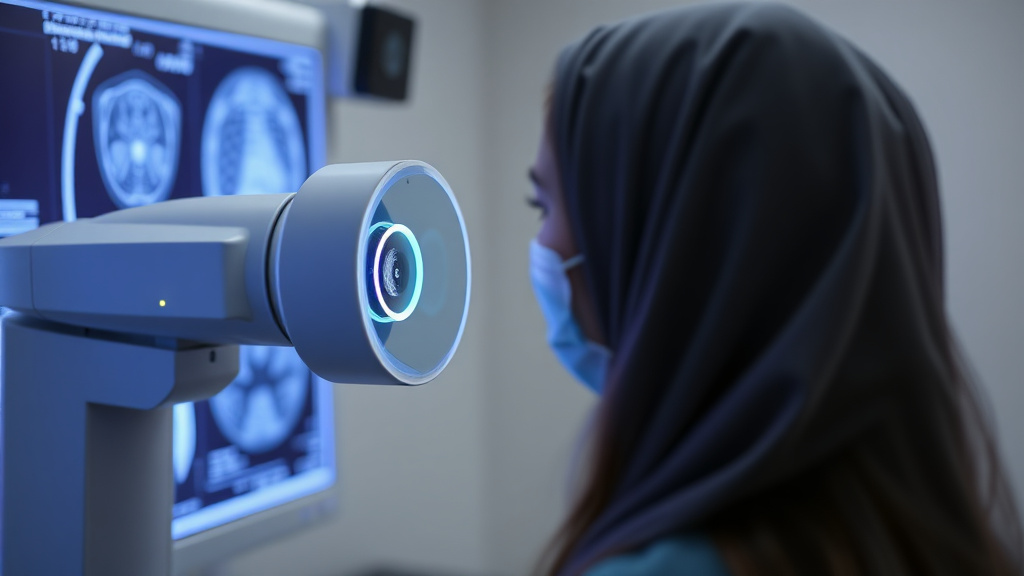
Early detection saves lives. Modern cancer screening methods are transforming how we detect tumors, detecting them at points when treatment is highly effective. From blood tests that find cancer cells in blood to artificial intelligence imaging that detects microscopic abnormalities, these cutting-edge technologies are enhancing patient outcomes. This article discusses the newest screening technologies, explains their mechanisms, and explains why detecting cancer earlier than ever before is reshaping survival rates and offering patients hope.
Cutting-edge Imaging Technologies in Oncology Screening
Modern imaging modalities have transformed cancer detection by allowing physicians to identify tumors at their earliest point of development. Advanced approaches such as digital breast imaging, 3D tomosynthesis, and advanced ultrasound imaging provide superior detail of internal structures. These developments allow radiologists to recognize faint anomalies that conventional techniques might miss, substantially enhancing diagnostic accuracy. The integration of superior image clarity and sophisticated analysis tools has substantially decreased false positives and negatives, leading to more reliable screening outcomes and improved clinical decision-making.
The incorporation of these diagnostic imaging technologies into comprehensive screening protocols has transformed cancer identification across various organ systems. Positron emission tomography (PET) scans, magnetic resonance imaging (MRI), and computed tomography (CT) now operate in conjunction to deliver three-dimensional representation of tumors. These diagnostic systems enable clinicians to evaluate tumor extent, anatomical position, and properties with outstanding detail. Timely identification through sophisticated imaging techniques allows for intervention when treatment options are most effective, ultimately enhancing survival outcomes and quality of life for cancer patients worldwide.
AI-Powered Assessment Instruments
Artificial intelligence has become a transformative force in cancer screening, enhancing the precision and speed of medical image interpretation. Machine learning algorithms built from millions of medical images can now detect suspicious patterns and potential malignancies with sensitivity matching or exceeding that of seasoned imaging specialists. AI systems analyze scans quickly, identifying sections demanding closer examination and organizing studies for prompt clinical evaluation. This development reduces diagnostic delays, minimizes human error, and allows medical professionals to focus their expertise on difficult situations demanding expert assessment and customized care strategies.
The implementation of AI-powered screening systems across healthcare institutions has produced remarkable improvements in detection of cancers. These intelligent systems constantly evolve from emerging cases, becoming steadily more reliable and adaptable to varied patient groups and imaging protocols. AI algorithms can identify early-stage cancers that might be overlooked during standard screening, particularly in challenging cases characterized by tissue density or atypical presentations. By enhancing radiologist capabilities rather than replacing them, artificial intelligence develops a cooperative structure that enhances diagnostic accuracy while upholding the critical human component of clinical practice.
- AI systems recognize breast cancer with 94% accuracy rates
- Machine learning locates lung nodules in CT scans with high accuracy
- Algorithms decrease radiologist workload by 30% per day
- Neural networks improve colorectal polyp detection significantly
- AI forecasts prostate cancer progression with exactness
Liquid Biopsy and Molecular Screening Developments
Liquid biopsy marks a fundamental change in cancer detection, delivering a non-invasive method to identify malignant cells through routine blood samples. This cutting-edge method examines circulating tumor DNA, proteins, and exosomes in the bloodstream, permitting physicians to identify malignancies prior to symptom onset. The technology shows exceptional precision, detecting cancer markers at concentrations as low as a single malignant cell among millions of healthy cells, fundamentally changing detection of early-stage disease.
Molecular testing improvements have substantially enhanced diagnostic accuracy and treatment results across multiple cancer types. These complex procedures pinpoint distinct genetic variants and indicators of various malignancies, allowing cancer specialists to tailor treatment strategies to each patient’s unique characteristics. By combining multiple detection methods, medical teams can now identify tumors months earlier traditional screening approaches, offering critical windows for intervention when outcomes are most promising.
Circulating Biomarker Identification Methods
Blood-based biomarker detection leverages advanced diagnostic technology to detect tumor-related molecules circulating in patient bloodstreams. These biomarkers encompass circulating tumor DNA, proteins like PSA and CEA, and extracellular vesicles containing tumor information. The precision of these detection methods allows clinicians to monitor disease progression, assess treatment response, and identify recurrence risks with unprecedented accuracy, reshaping how cancer is managed.
Current biomarker panels concurrently assess multiple cancer indicators, substantially improving detection sensitivity and specificity. This detailed strategy minimizes false positive results while enhancing accurate positive identification among varied patient groups. Integration of artificial intelligence algorithms additionally enhances biomarker assessment, allowing customized risk assessment and care guidance based on individual molecular profiles and genetic predispositions.
- Tumor circulating DNA fragments detect genetic mutations in bloodstream samples
- Protein biomarkers identify cancer-specific antigens and tumor-associated molecules
- Circulating vesicles convey tumor information for comprehensive analysis
- Multi-panel testing concurrently evaluates for multiple cancer types and markers
- AI algorithms optimize biomarker interpretation and diagnostic accuracy
Clinical Impact and Future Perspectives
Advancing Patient Care
The clinical significance of advanced cancer screening methods is already evident in patient survival rates and quality of life improvements. Early detection through these advanced techniques enables physicians to use less invasive treatment protocols, decreasing side effects and improving long-term outcomes. Healthcare systems worldwide are experiencing decreased cancer mortality rates as screening programs grow, particularly in developed nations. The economic benefits are considerable, as treating early-stage cancers costs significantly less than managing advanced disease. Moreover, patients diagnosed through advanced screening report higher treatment compliance and psychological well-being, knowing their cancers were identified at optimal intervention points.
Emerging Technologies and Market Expansion
The upcoming direction of cancer screening promises even more significant breakthroughs as AI and machine learning technologies continue advancing. Researchers are developing personalized screening protocols based on individual genetic profiles and risk factors, maximizing detection efficiency while minimizing unnecessary procedures. Integration of multiple screening modalities—combining blood tests, imaging scans, and biomarker testing—will create thorough diagnostic frameworks. Access is essential; expanding these technologies to underserved populations globally will make early detection more widely available. Funding for research infrastructure and healthcare training will accelerate innovation, making possible real-time cancer detection prior to symptom development, essentially changing cancer from a terminal diagnosis into a treatable disease.
