

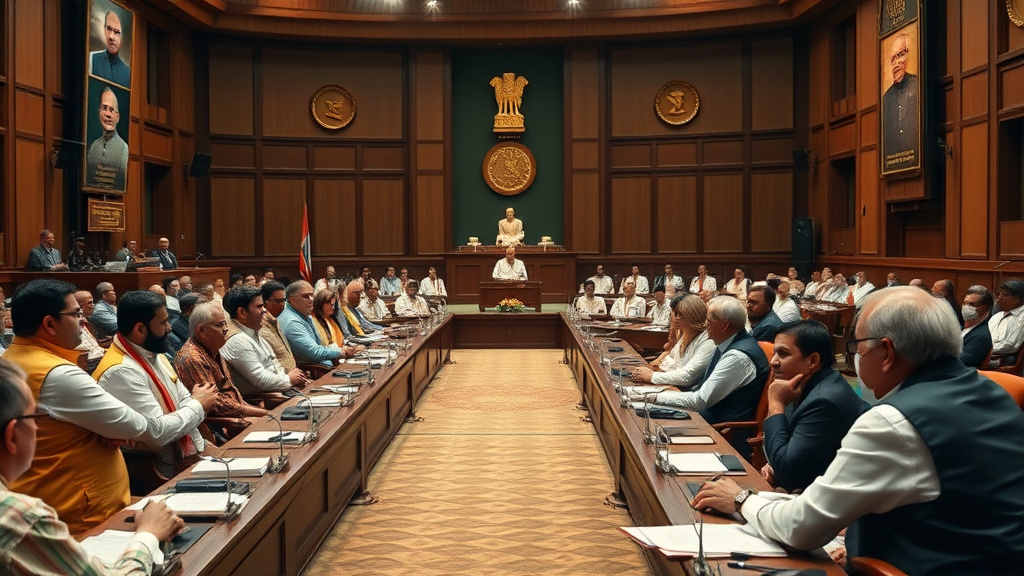
In a notable example of bipartisan support, Congress has successfully enacted a major infrastructure legislation after extended talks and partisan agreement. This landmark measure signals a major allocation in America’s deteriorating infrastructure and transit networks, establishing the most substantial infrastructure spending in recent memory. The bill’s passage represents a pivotal moment in Congress, showing that both parties can discover shared solutions on critical issues affecting millions of Americans. This article analyzes the key provisions, the political journey that made it possible, and the implications of this success for the nation’s coming years.
Key Provisions and Investment Areas
Transportation Networks
The transportation legislation allocates significant resources to modernize America’s transportation network, addressing decades of deferred maintenance. Approximately $110 billion is earmarked for highway and bridge projects, with additional resources for public transit systems, railway systems, and aviation facility upgrades. These expenditures are designed to improve public safety, reduce congestion, and stimulate economic growth throughout the nation. The funding will prioritize initiatives in underserved areas, ensuring fair allocation of resources. This comprehensive approach recognizes transportation as essential for America’s competitive advantage and living standards.
Public transportation receives substantial funding through this legislation, with billions allocated for transit bus fleets, railway systems, and transportation upgrades. Metropolitan regions will enjoy expanded subway and light rail networks, while outlying regions gain improved connectivity. The bill encourages electric bus implementation, lowering emissions and expenses. These upgrades will enhance public transit accessibility and performance for millions of Americans. Improved transit choices support environmentally responsible growth and reduce reliance on private cars.
The rail component prioritizes increasing Amtrak service and improving freight rail infrastructure. Capital directed toward passenger rail corridors will improve connectivity among major cities and decrease travel times. Freight rail upgrades enhance commercial efficiency and decrease highway congestion. These programs advance both passenger ease of use and economic performance. The comprehensive rail strategy establishes America competitively relative to international transportation systems.
Broadband and Digital Infrastructure
Digital connectivity represents a major emphasis, with $65 billion committed to broadband expansion and rural internet access. The bill addresses the digital divide by supporting high-speed internet infrastructure in underserved communities across America. This investment recognizes broadband as vital infrastructure comparable to electricity and water. Rural areas, particularly, will receive targeted funding to close connectivity gaps. Better digital access enables economic opportunity, educational advancement, and improved healthcare delivery nationwide.
The broadband initiative encompasses funding for affordable internet service and digital literacy programs. Communities will obtain technical education and technical support alongside infrastructure improvements. The legislation encourages rivalry between ISPs to maintain affordable pricing. These measures ensure that enhanced broadband networks converts to genuine access for low-income households. Digital inclusion can be realized through broad-based policy strategies.
Water and Environmental Infrastructure
Water infrastructure receives $55 billion in dedicated funding to replace aging pipes and strengthen water quality across America. The bill tackles lead pollution in municipal water supplies, protecting public health in vulnerable communities. Wastewater treatment facilities will be improved to meet modern environmental standards. Water infrastructure investment minimizes health risks, enables business expansion, and preserves natural environments. This pledge reflects increasing awareness of water security as critical infrastructure.
Environmental rehabilitation and recovery projects benefit from considerable resources within the bill’s framework. Funding facilitates flood management, drought preparedness, and climate adaptation measures. Communities vulnerable to climate impacts receive funding for protective infrastructure and disaster mitigation. These expenditures protect communities, structures, and economies while advancing environmental sustainability. The bill integrates climate considerations throughout its infrastructure priorities.
Negotiations Between Parties and Cross-Party Support
The pathway to passing the infrastructure legislation necessitated unprecedented collaboration between Democratic and Republican lawmakers who historically disagree each other on budgetary priorities. Months of negotiations included heated discussions over financing approaches, project allocations, and rollout timelines. Both parties accepted major trade-offs to reach consensus, reflecting a shared commitment to addressing the country’s aging infrastructure in spite of fundamental partisan splits on other policy issues.
- Republicans secured lower government expenditures and tax measures.
- Democrats achieved substantial investment in climate infrastructure projects.
- Both parties agreed on broadband deployment in rural areas.
- Negotiations featured agreement regarding EV charging infrastructure.
- Bipartisan group preserved cohesion throughout contentious amendment debates.
The bipartisan group that took shape proved crucial to the bill’s passage, with moderate members from both chambers working tirelessly to overcome partisan divisions. Key negotiators from each party openly recognized the challenge of reaching agreement while stressing the significance of the infrastructure investment for constituent communities. This collaborative approach ultimately overcame partisan obstacles that had blocked earlier infrastructure initiatives for years.
Political observers view this achievement as a significant milestone for Congressional functionality, suggesting that forthcoming laws addressing key issues may benefit from analogous collaborative models. The bill’s passage illustrates that despite polarization, lawmakers are able to find shared interests and collaborate effectively toward solutions serving the entire nation through enhanced infrastructure systems and growth prospects.
Economic Impact and Future Implementation
Expected Economic Growth
Economic analysts project that the infrastructure bill will generate substantial long-term growth for the American economy. The $1.2 trillion expenditure is expected to generate millions of jobs across construction, engineering, and related sectors over the next decade. Improved infrastructure will boost productivity, lower transportation costs for businesses, and attract private investment to underserved regions. The Congressional Budget Office estimates the bill will add approximately 0.1 percent to annual GDP growth, resulting in significant economic benefits for communities across the country and strengthening America’s market standing globally.
The bill’s funding approaches provide ongoing fiscal support without burdening the federal budget. Revenue sources comprise reallocated COVID-19 assistance funds, higher gas taxes, and usage charges on electric vehicles. This varied financing strategy spreads expenses across various parties while upholding fiscal responsibility. Economists point out that the early spending will generate tax revenues through expanded business activity, reducing initial expenditures. The long-term return on investment frames the bill as fiscally sound policy that reconciles urgent infrastructure requirements with sustained fiscal health and economic competitiveness.
Deployment Schedule and Strategic Priorities
Federal agencies have developed a structured rollout plan covering five years, with initial financial provisions for shovel-ready projects. Main infrastructure areas include bridge maintenance projects, public transit modernization, broadband network expansion, and water system enhancements. States and municipalities must provide comprehensive project plans demonstrating compliance with federal requirements and environmental compliance standards. The Department of Transportation will manage coordination among agencies, guaranteeing fair allocation of resources across urban and rural areas. This organized methodology guarantees efficient fund deployment while maintaining accountability and transparency throughout the implementation process.
Project evaluation standards emphasize equitable infrastructure, climate adaptation, and economic growth in disadvantaged communities. The bill mandates that a substantial portion of resources support under-resourced areas historically overlooked in federal investment. Communities can anticipate construction timelines ranging from two to seven years depending on complexity and scope of the project. Ongoing progress updates and performance metrics will track job growth, environmental improvements, and economic development outcomes. This accountability structure guarantees taxpayers see tangible results while preserving flexibility for modifications in response to evolving circumstances and new priorities.
Long-Term Benefits and Country’s Competitive Position
America’s infrastructure modernization directly addresses critical competitive disadvantages in the global economy. Modern transportation networks, consistent high-speed internet, and efficient utilities are essential for attracting businesses and maintaining workforce quality. The bill’s funding allocations establish America to engage successfully with global rivals while enhancing living standards for residents. Enhanced infrastructure lowers transit duration, reduces transportation expenses, and enables remote work opportunities in previously underconnected areas. These upgrades produce ripple effects throughout economies throughout distribution networks and regional economies, creating groundwork for long-term growth and technological advancement.
Beyond immediate economic metrics, the infrastructure bill represents intentional allocation in America’s tomorrow’s labor force and environmental sustainability. Better public transit options reduces carbon emissions while broadband expansion enables learning possibilities in remote communities. Water infrastructure improvements protect public health and support agricultural performance. These linked advantages demonstrate how infrastructure investment transcends traditional economic analysis, creating wider societal benefits across multiple sectors. The bill establishes a template for solving complex national challenges through cross-party collaboration, potentially inspiring future collaborative efforts on healthcare, education, and climate policy.
